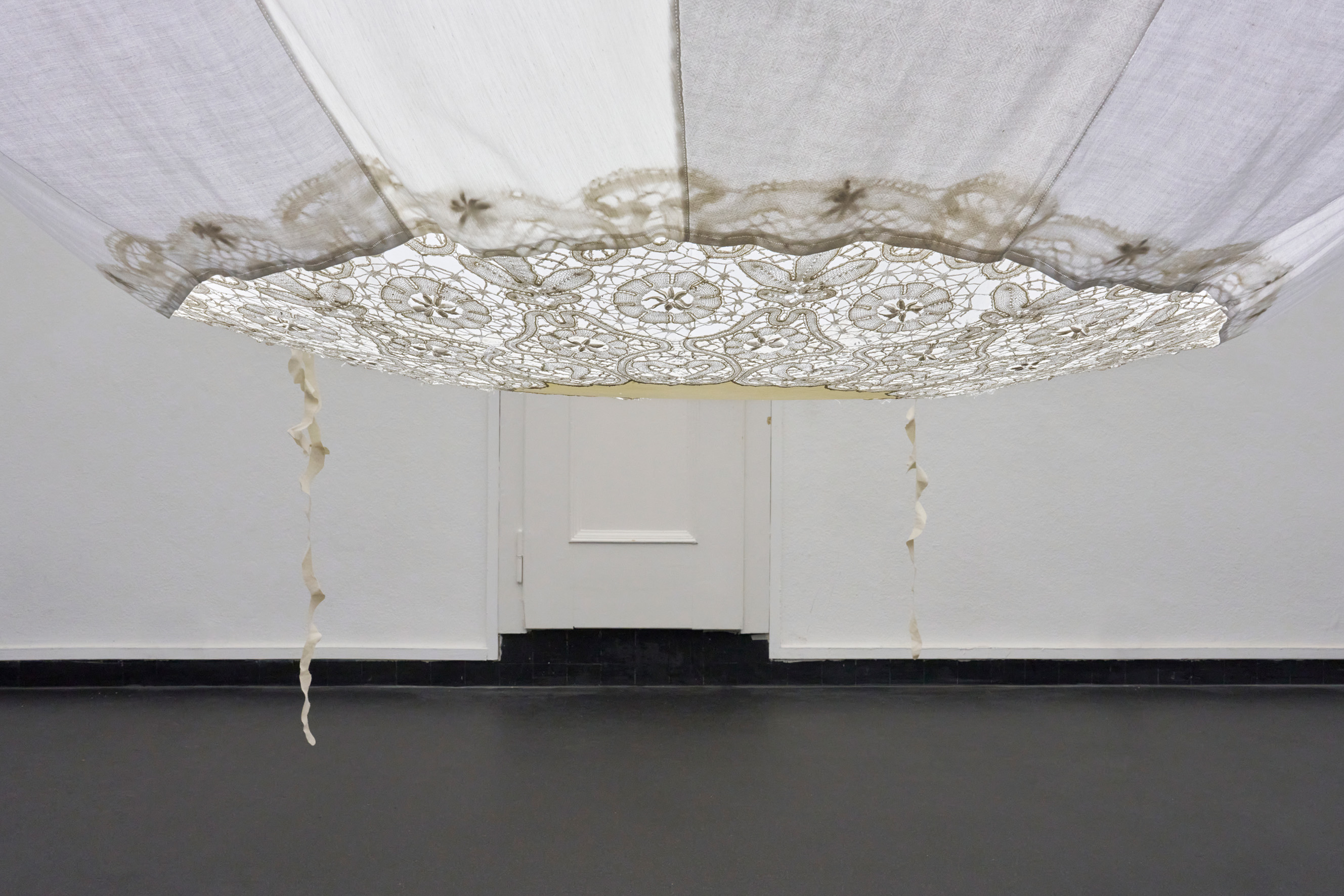
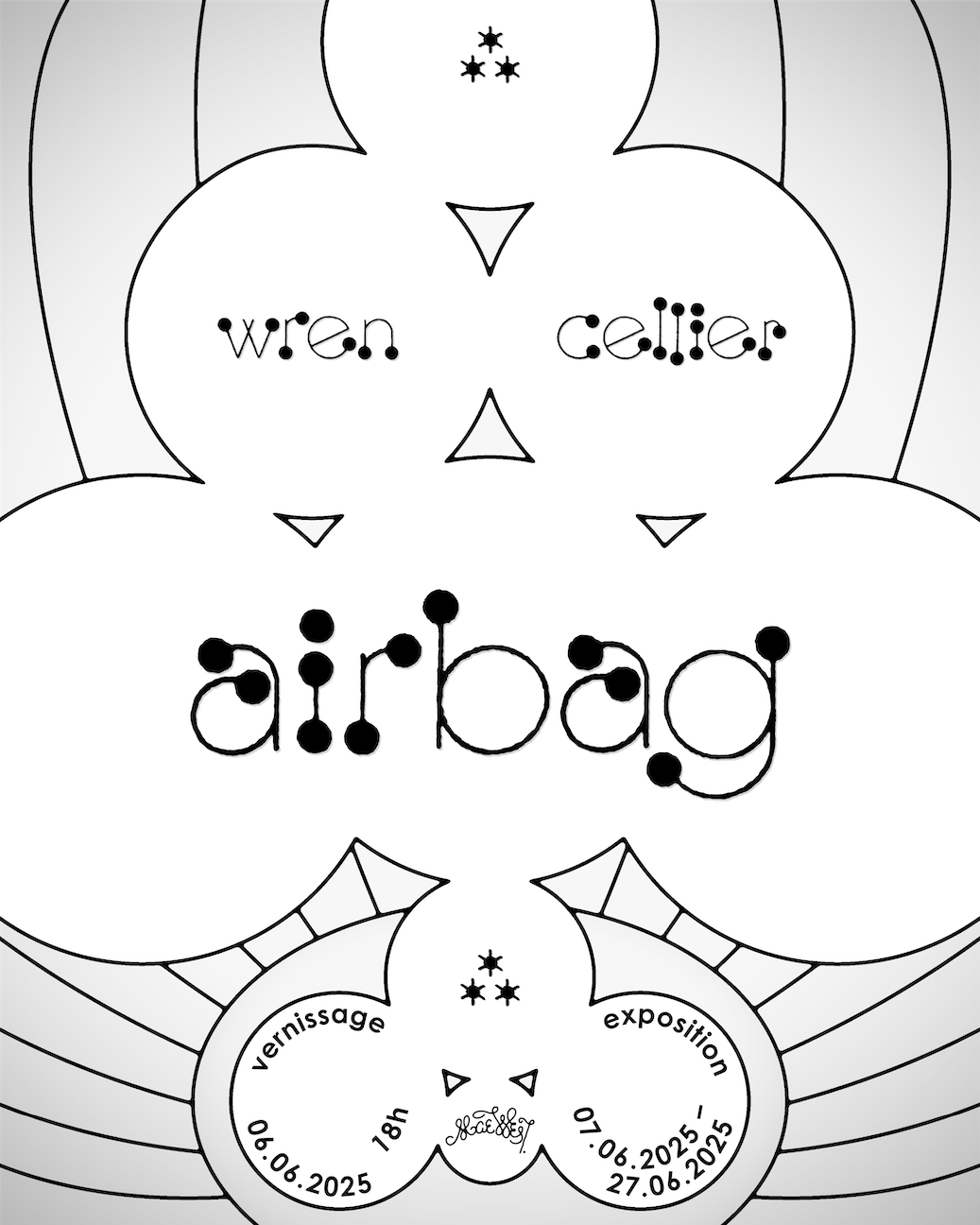
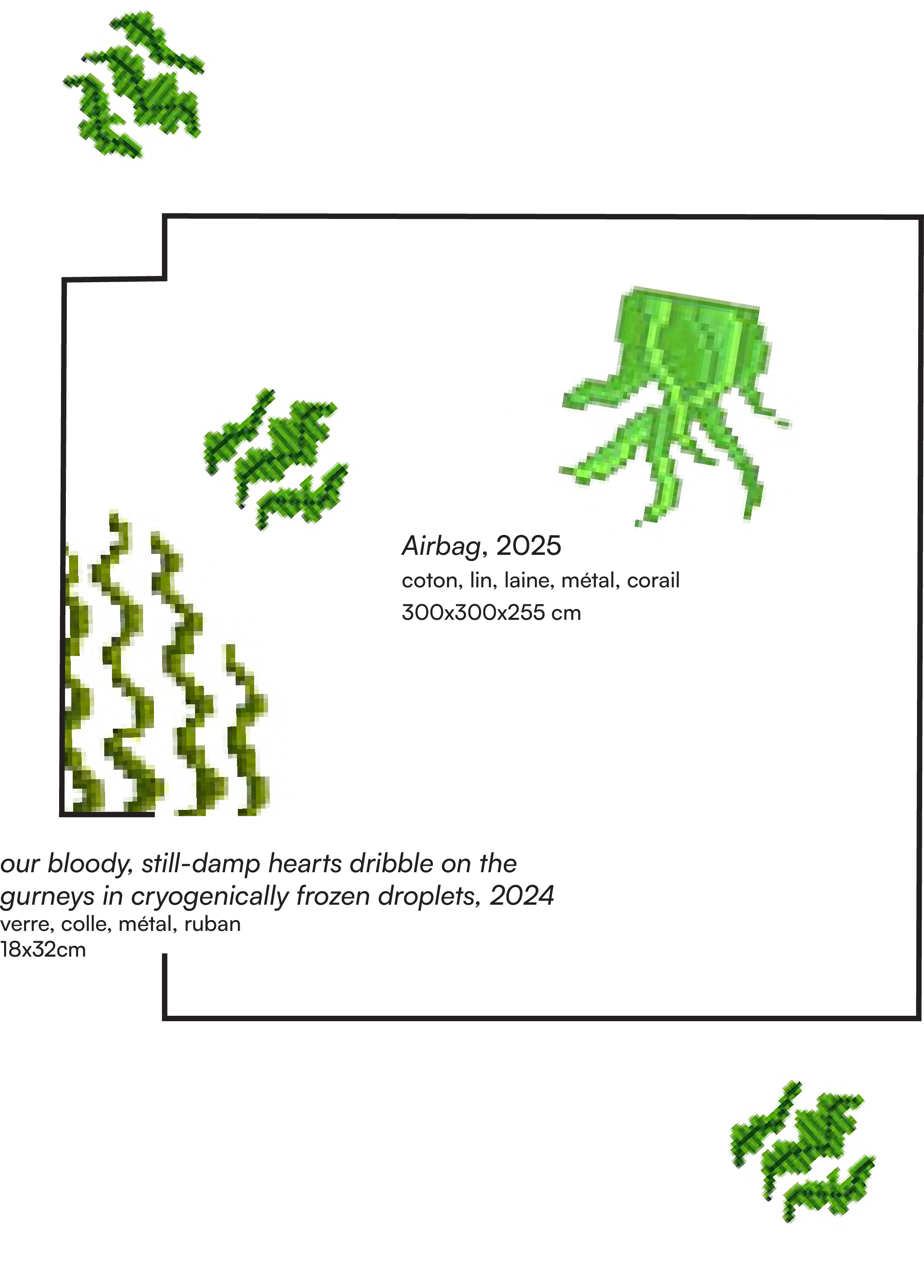
Airbag

Wren Cellier

#4 — 06 Jun 2025


My first encounter with neutrality in art happened in the summer of 2021 in Tucson, Arizone, a few miles from where I lived in the Sonoran desert. Olivier Mosset, the Swiss painter known: for his austere abstraction, was having a major retrospective at the local museum. I had tima to spare, so I went. The exhibition was a maze of surfaces—repetitive, precise, mechanical. Enamel spread across the canvases with nonhuman coldness. Walking through the rooms felt like moving through a factory of sameness, each step pressing against the weight of neutrality.

I left the galleries, and the desert heat hit me like a slap. It was the same heat Mosset had chosen to live under, despite his origins in the Bernese mountains. One of his most well-known works consists of two monochrome canvases, each the size of a refrigerator door. A coincidence, perhaps, but also a reminder that minimalism and conceptualism-the so-called neutral aesthe-tics-are usually associated with cold climates, artificial precision, and a modernist utopia that never fully materialized. Could this condition be reversed?

Mosset once said, "I think a good work of art should represent its non-existence, its insignifi-cance, or a perfect neutrality of sorts." But is such neutrality even possible? Even historical mini-malism, with its rejection of expression, was never truly neutral—it was a critique, a response, a stance. The belief that one can strip art of narrative, of affect, is itself a narrative, one that often serves particular cultural and economic forces. When art abandons meaning, meaning creeps in through other doors: the names of collectors, the prestige of institutions, the silent weight of market logic.

A curator friend once confessed to me, "I don't want to be too bold or too confrontational. They don't like that, the judges." We often speak of art in terms of freedom, but what does that mean when certain gestures are rewarded and others suppressed? Thematizing oppression while satisfying the narcissism of developed countries that like to see themselves reflected in the art of their uninvited guests—is this another form of neutrality? Or just a performance of conscience?

I find myself skeptical of the fantasy of the retired artist, working in solitude with a comfortable pension, painting the same thing over and over again for an international market. And I find myself equally skeptical of a certain fascination with cowboy culture-something between nostalgia and escapism, an aestheticized longing for a pastoral life that never belongs. Maybe it's just about cows and refusing intellectualism. Maybe it's about a type of cow-like-thinking.
Mosset's move to the desert feels like a statement, whether he intended it or not. Maybe, in the end, neutrality is just another mirage, shimmering under the staggering heat.

Alan Sierra


lightswitch